The 50/30/20 budget: how to set it up and adjust it for real life
Split your take-home pay into needs, wants and savings in ten minutes, with a worked example and fixes for when the numbers don't fit.
Some links are affiliate links: we may earn a commission at no cost to you. How we make money.
The 50/30/20 rule divides your take-home pay into three buckets: 50% for needs, 30% for wants and 20% for savings and extra debt payments. It is popular because it takes minutes to set up and gives you a clear picture without tracking every coffee.
What goes in each bucket
Needs (50%): costs you cannot avoid without changing your life:
- Rent or mortgage, utilities, internet and phone
- Groceries, transport to work, insurance
- Minimum payments on debts
Wants (30%): spending you choose:
- Dining out, takeaway and drinks
- Subscriptions, entertainment, hobbies
- Travel, shopping, upgrades beyond the basics
Savings (20%): building your future:
- Emergency fund
- Retirement and other investing
- Payments above the minimum on debts
A worked example
With $4,000 a month after tax:
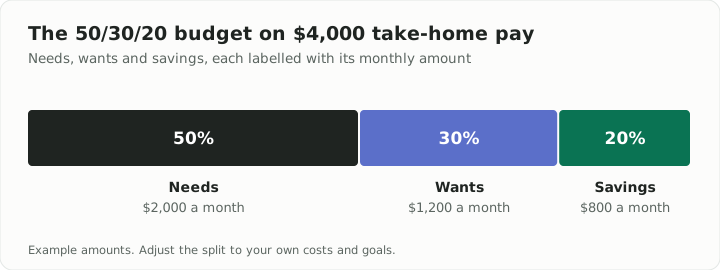
- Needs: $2,000
- Wants: $1,200
- Savings: $800
$800 a month is $9,600 a year, enough to build a solid emergency fund within a year or two, then redirect to investing.
Set it up in four steps
- Find your real take-home pay. Use the amount that lands in your account, after tax and workplace deductions.
- List last month’s spending from bank and card statements, and tag each item as a need, a want or savings.
- Compare with the targets. Most people find their wants are higher than they thought.
- Automate the savings. Schedule a transfer for the day after payday, so the 20% leaves before you can spend it.
Our free budget sheet in the Money Starter Kit does the totals and percentages for you.
When the numbers don’t fit
The rule is a starting point, not a test you pass or fail.
Needs above 50%. In expensive cities, housing alone can take half of your income. Then:
- Shrink wants first, for example to 20%.
- Keep savings at 10% or more, even if 20% is out of reach for now.
- Look at your biggest fixed costs: refinancing, a cheaper phone plan, insurance quotes or a roommate change the picture more than cutting small treats.
High-interest debt. Credit card interest usually costs far more than savings earn. After a small starter emergency fund, put most of the 20% toward the highest-interest debt.
Irregular income. Budget on your lowest typical month, and save the surplus in good months to smooth the lean ones.
Higher earners. If needs take well under 50%, do not let wants absorb the difference. Push savings to 30% or more.
Make it stick
- Pay yourself first. Automatic transfers beat willpower.
- Use separate accounts for bills, spending and savings, so each balance tells you something.
- Review monthly for fifteen minutes, and adjust after any change in income or rent.
- Plan for irregular costs such as annual subscriptions, gifts and car repairs by setting aside a small amount each month.
Tip: When you get a raise, send at least half of the increase straight to savings. Your lifestyle still improves, and your savings rate climbs without a painful cut.
This guide is general information, not financial advice. Adjust the percentages to your own situation and goals.
Savings goal
More on Personal Finance
High-yield savings accounts: are they worth switching to?
How much more a high-yield savings account earns than a standard one, how safe it is, what to check before opening one and where it fits in your plan.
How much should your emergency fund be? A simple way to decide
Three to six months of essential costs covers most people. How to work out your number, where to keep it and how fast to build it.